
Washington’s War on Trans Kids Comes With a Permission Slip
Washington elected a Black trans socialist and passed I‑638 in the same election. Now girls who just want to play school sports have to get a healthcare provider to certify their sex.
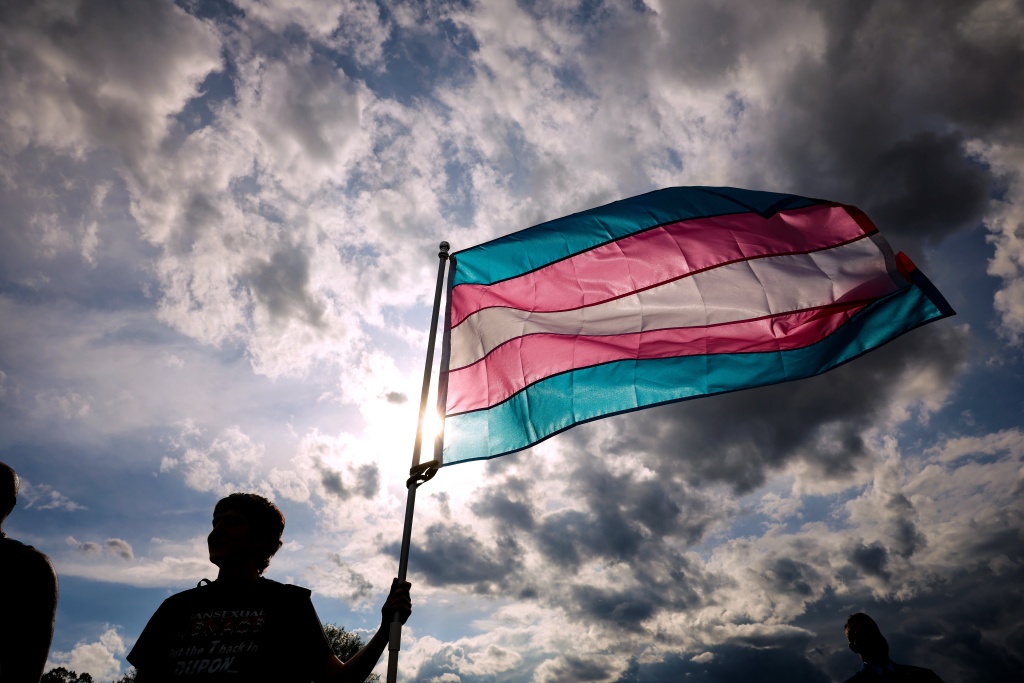
Washington voted to make girls prove they’re girls
My good friend Jaelynn Scott won a seat in the Washington State House. I’m proud of her. Jaelynn is a Black trans woman and a member of the Democratic Socialists of America, and voters in the 37th District chose her to represent them in Olympia. In that same election, Washington voters passed Initiative 638, barring trans girls from certain girls’ school sports and requiring students who want to compete in those sports to have a healthcare provider verify their sex. I’ve been sitting with how good one result feels and how ugly the other one is. Jaelynn’s election results · Statewide result

What are we asking a kid to do just to play?
Under I-638, a student who wants to compete in a covered girls-only school sport has to submit a signed statement from her healthcare provider as part of her sports physical. The provider has to base that verification on reproductive anatomy, genetics, or naturally produced testosterone levels. The initiative allows one or more of those criteria. It doesn’t require a new genital exam for every girl, and providers may be able to use existing medical information. But it expressly makes reproductive anatomy a basis for deciding whether a kid gets to play, and it leaves open the possibility of an intimate exam for a student whose provider needs more information to sign. That is creepy and weird. I don’t think dressing it up as a routine sports physical makes it any less so. Initiative text, Section 3 · How verification could work
Picture a middle schooler who wants to run track with her friends. A sports physical makes sense when it’s about whether she can exercise safely. Now the state wants a provider to certify something intimate about her before she can compete. Maybe the provider can sign using her chart. Maybe the family has to figure out what else the provider needs, find another appointment, or pay for a test. Either way, the whole team is subject to the requirement. How many families are going to have the time, money, or patience to sort it out before tryouts? How many kids will decide they’d rather skip the season than have that conversation at all?
I also think about the girl who develops differently from her classmates, or the girl who already gets called a boy because of how she looks. The rule applies to everybody in the covered sports, but the embarrassment and scrutiny are unlikely to land evenly. We already ask girls to put up with plenty of commentary about their bodies. School sports could be one place where they get to care more about what their bodies can do.
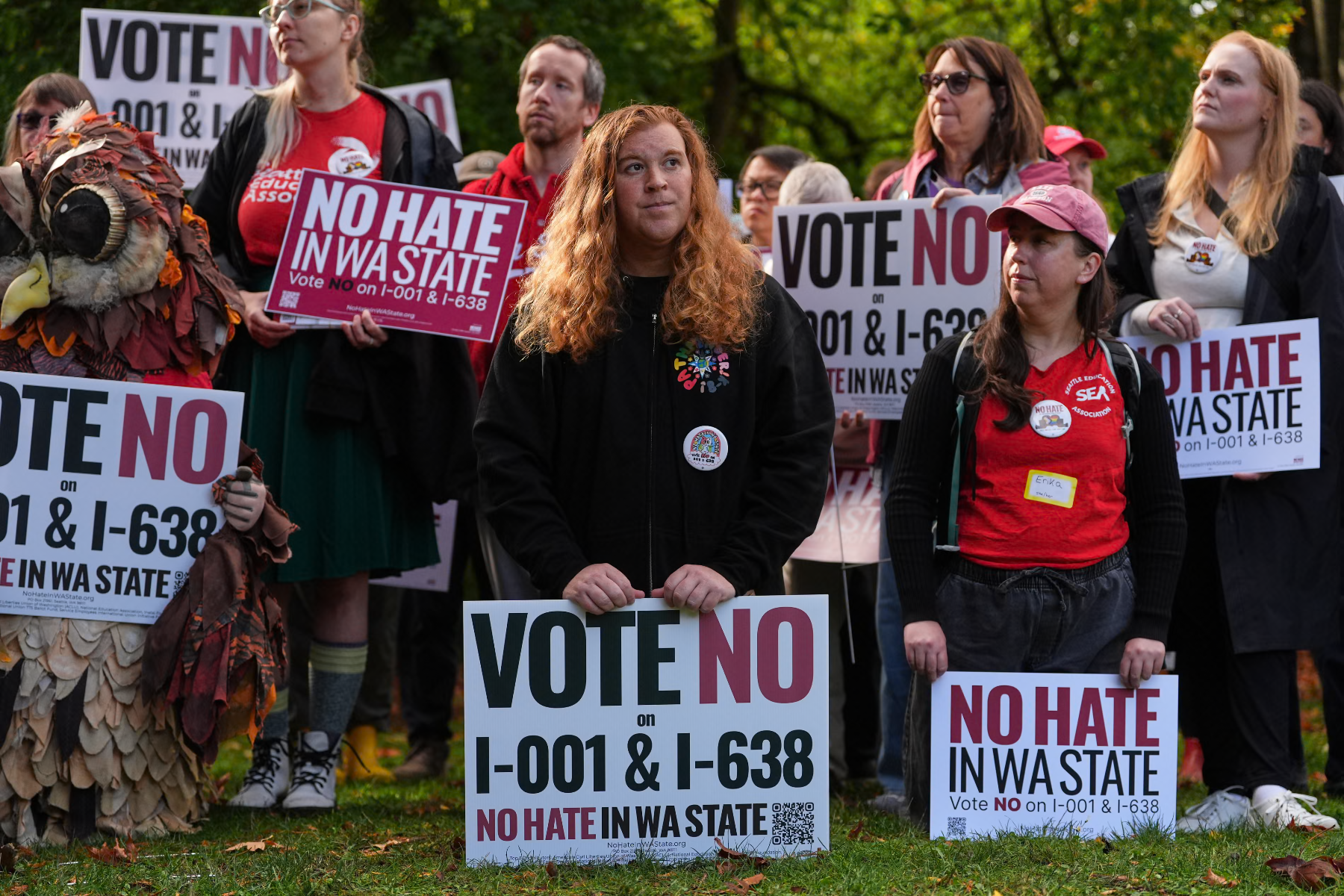
A statewide rule aimed at a handful of kids
The Washington Interscholastic Activities Association told KUOW it was aware of around ten transgender student athletes statewide in a typical year. It doesn’t officially track that number, and the estimate covers transgender athletes generally, so it can’t tell us exactly how many trans girls compete on girls’ teams. What it does tell us is the scale of participation the association is aware of. Washington has put a new condition on access to covered girls’ sports statewide to exclude a very small group of kids. KUOW reporting on participation
I get why a kid who’s trained all season cares about where she places. I’d care, too. But a conversation about a particular event, age group, or level of competition is miles away from a blanket rule for school sports. The same policy reaches a kid trying out for her first team and a teenager running for a state title. It treats trans girls as a problem before any of them has even shown up to practice.
And if we’re serious about more girls getting to play, there are plenty of things we could spend our energy on. Can a kid afford the gear? Is there a ride home after practice? Does her school offer the sport she wants to play? Those questions might sound mundane next to a statewide culture war. They matter a hell of a lot to the kid who can’t get home from practice.
What Jaelynn’s win means to me
Jaelynn’s win deserves to be celebrated on its own terms. My friend ran for office as a democratic socialist, and her neighbors trusted her with the job. I’m glad they’ll have her in Olympia. There’s a real difference between seeing trans people talked about as the subject of a ballot measure and seeing a trans woman elected to make decisions about housing, schools, and everything else a state legislature does. DSA election tracker · Scott’s election coverage
Her race was decided by one district, and I-638 went before the whole state. The results can’t tell us how any individual voted on both. The contradiction I see is in what Washington was willing to do in the same week. One part of the state sent a Black trans socialist to Olympia with a mandate to govern. A statewide majority voted to make it harder for trans girls to take part in ordinary school life. Both happened, and I don’t want my pride in my friend to make the second result any easier to accept.
I keep coming back to that middle schooler. She wants to find out if she’s any good at track. Maybe she’s fast, maybe she’s terrible, maybe her favorite part is riding the bus to an away meet with her friends. A girl should be able to show up for tryouts and worry about making the team. Washington just gave her one more thing to worry about before she even gets there.
— Desmond Mason